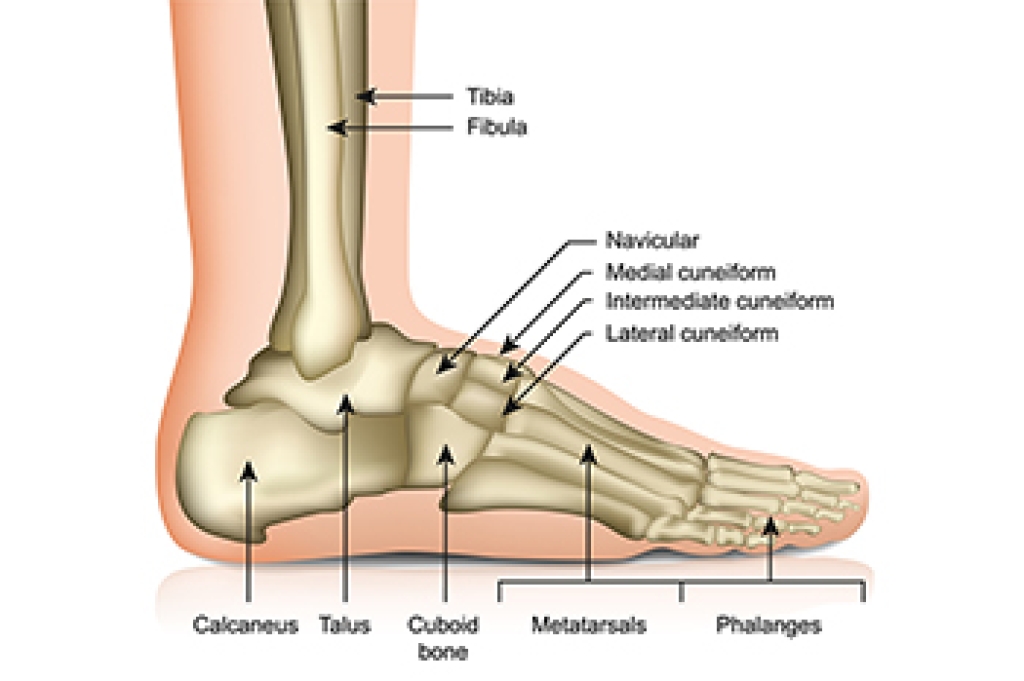
Causes and Symptoms of Plantar Fasciitis

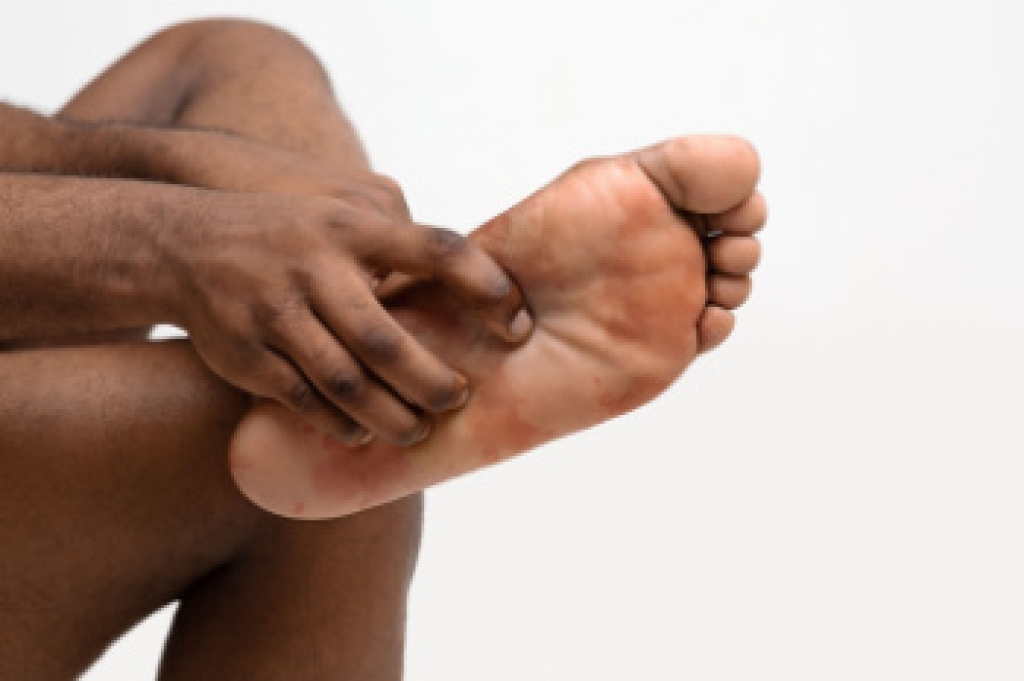
Plantar fasciitis develops when the wide band of tissue that runs along the bottom of the foot is irritated. This ligament, called the plantar fascia, supports the arch. Repeated strain can create tiny tears where it  connects to the heel bone. The main symptom is sharp pain under the heel. Pain is usually strongest with the first steps after getting out of bed or standing after a long rest. It may ease as the foot begins moving, then return after extended activity. Some patients change the way they walk to avoid pressure on the sore heel.

Several factors can increase strain on the plantar fascia. A sudden increase in running, jumping, or stair climbing can overload the tissue. Excess body weight and pregnancy can also place greater pressure on the feet. Tight calf muscles, high arches, or flat feet may affect how force moves through the heel. Wearing shoes that lack proper support or cushioning can add to the problem. However, plantar fasciitis sometimes develops without a clear cause. Heel pain can also result from a stress fracture or nerve problem, so an accurate diagnosis is important.

A podiatrist can examine the foot, discuss when the pain occurs, and evaluate the patient's walking pattern. X-rays or other imaging tests can help rule out a fracture. Treatment includes activity changes and guidance on safe stretching. A podiatrist may recommend supportive shoes, custom orthotics, or taping to reduce pressure on the plantar fascia. A night splint can hold the foot in a gentle stretch while the patient sleeps. Persistent cases may benefit from other office-based treatments. Surgery is rarely required and is considered only when other care has not brought relief. Early evaluation can reduce pain and help prevent stress on the opposite foot, ankles, or knees. If you have symptoms of plantar fasciitis, it is suggested that you schedule an appointment with a podiatrist for a diagnosis and appropriate treatment.

Plantar fasciitis can be very painful and inconvenient. If you are experiencing heel pain or symptoms of plantar fasciitis, contact David Krausse, DPM  from New Jersey. Our doctor can provide the care you need to keep you pain-free and on your feet.

What Is Plantar Fasciitis?

Plantar fasciitis is the inflammation of the thick band of tissue that runs along the bottom of your foot, known as the plantar fascia, and causes mild to severe heel pain.

What Causes Plantar Fasciitis?

  • Excessive running
  • Non-supportive shoes
  • Overpronation
  • Repeated stretching and tearing of the plantar fascia

How Can It Be Treated?

  • Conservative measures – anti-inflammatories, ice packs, stretching exercises, physical therapy, orthotic devices
  • Shockwave therapy – sound waves are sent to the affected area to facilitate healing and are usually used for chronic cases of plantar fasciitis
  • Surgery – usually only used as a last resort when all else fails. The plantar fascia can be surgically detached from the heel

While very treatable, plantar fasciitis is definitely not something that should be ignored. Especially in severe cases, speaking to your doctor right away is highly recommended to avoid complications and severe heel pain. Your podiatrist can work with you to provide the appropriate treatment options tailored to your condition.

If you have any questions, please feel free to contact our office located in Flemington, NJ . We offer the newest diagnostic and treatment technologies for all your foot care needs.
Read more about Plantar Fasciitis

Causes of Split Toenails

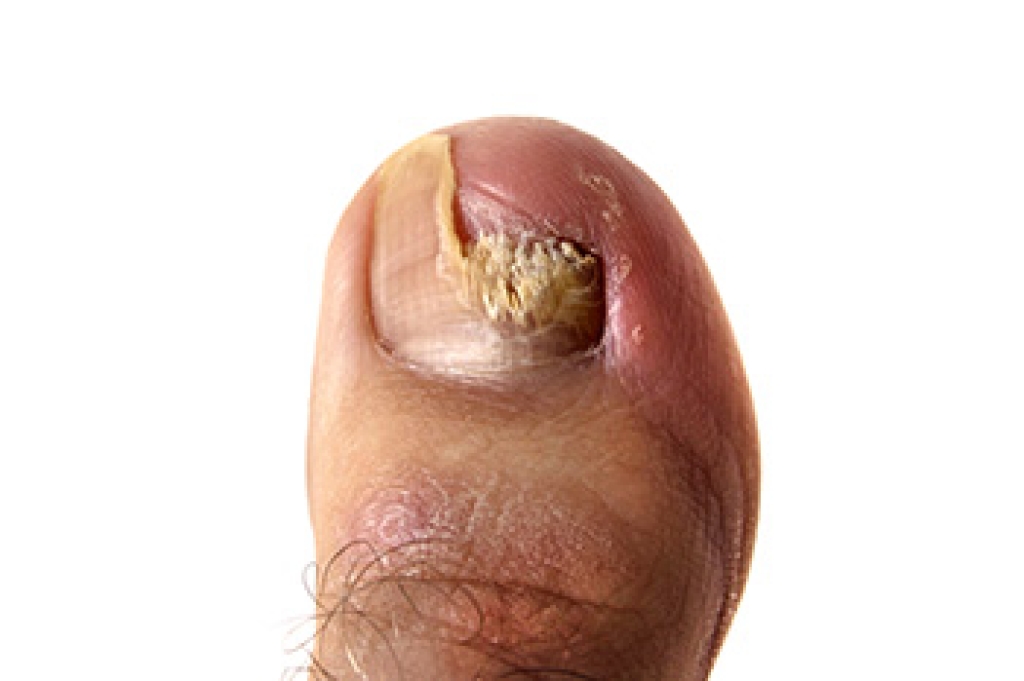
A split toenail occurs when the nail develops a crack, separation, or break. Toenails can split because of pressure, injury, or changes within the nail. A vitamin deficiency may affect nail strength, while a nail infection can change nail texture and make it easier to break. Symptoms may include a visible split, rough edges, or discoloration. Paying attention to these changes can help protect the nail.

Several risk factors can make toenail splitting more likely. Repeated injury from wearing tight shoes can place pressure on the nail and cause damage. Frequent moisture can weaken the nail. Certain nail infections may cause thickening or brittleness, which can lead to splitting. Nutritional deficiencies may contribute when the body lacks nutrients needed for healthy nail growth. Additionally, age can also affect nail texture. Keeping nails trimmed properly and wearing comfortable shoes can reduce stress.


Strong toenails provide an important layer of protection for sensitive tissue underneath. Healthy nails help shield the toe from pressure, friction, and impacts. When a toenail splits, the opening can expose the nail bed and create an opportunity for irritation or infection. A podiatrist can examine the nail and look for infection or injury. Treatment may include trimming damaged edges, treating an infection, or recommending nutrition. The goal is healthy growth.


At home, keep the nail clean and dry, and avoid pulling at a loose section. Choose shoes with enough room for your toes and trim toenails straight across. Avoid harsh products that can dry the nail and surrounding skin. If the nail becomes painful, discolored, or repeatedly splits, podiatric care can help identify the cause. Your podiatrist can recommend steps to protect the nail. If you have split toenails, it is suggested that you consult a podiatrist for effective treatment tips.

Toe pain can disrupt your daily activities. If you have any concerns, contact David Krausse, DPM of New Jersey. Our doctor can provide the care you need to keep you pain-free and on your feet.

What Causes Toe Pain?

Most severe toe pain is caused due to a sports injury, trauma from dropping something heavy on the toe, or bumping into something rigid. Other problems can develop over time for various reasons.

Toe pain can be caused by one or more ailments. The most common include:

  • Trauma
  • Sports injury
  • Wearing shoes that are too tight
  • Arthritis
  • Gout
  • Corns and calluses
  • Hammertoe
  • Bunions
  • Blisters
  • Ingrown toenails
  • Sprains
  • Fractures (broken bones)
  • Dislocations

When to See a Podiatrist

  • Severe pain
  • Persistent pain that lasts more than a week
  • Signs of infection
  • Continued swelling
  • Pain that prevents walking

Diagnosis

In many cases the cause of toe pain is obvious, but in others, a podiatrist may want to use more advanced methods to determine the problem. These can range from simple visual inspections and sensation tests to X-rays and MRI scans. Prior medical history, family medical history, and any recent physical traumatic events will all be taken into consideration for a proper diagnosis.

Treatment

Treatments for toe pain and injuries vary and may include shoe inserts, padding, taping, medicines, injections, and in some cases, surgery. If you believe that you have broken a toe, please see a podiatrist as soon as possible.

If you have any questions please contact our office located in Flemington, NJ . We offer the newest diagnostic and treatment technologies for all your foot and ankle needs.

Read more about Toe Pain

Blisters on the Feet

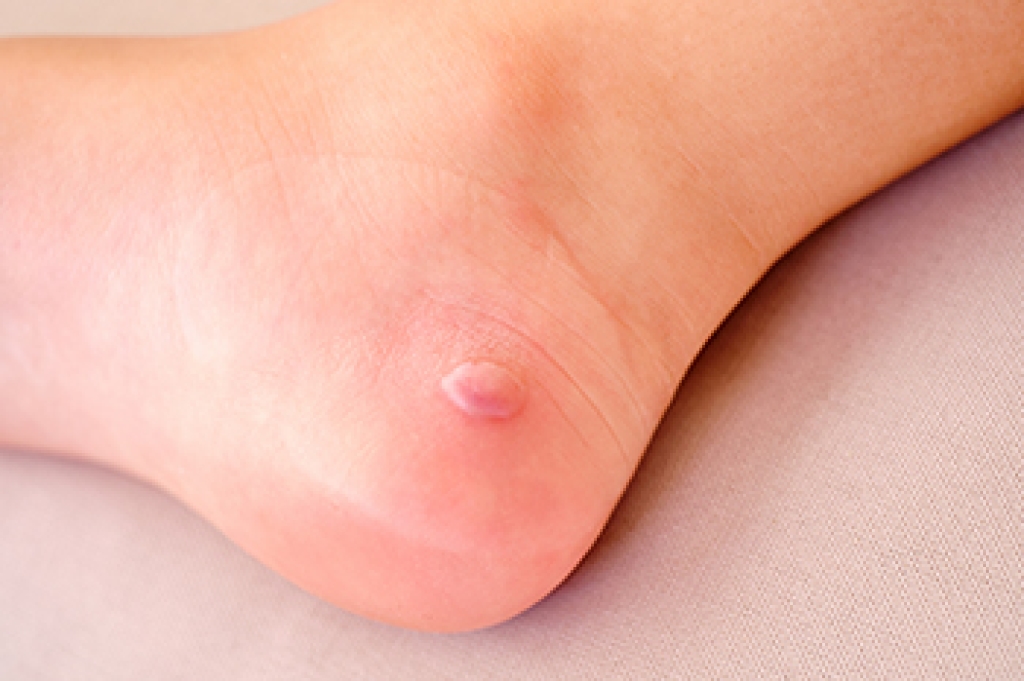
Blisters are fluid-filled pockets that develop on the outer layer of the skin. They commonly appear on the feet, where repeated rubbing or pressure can irritate one area. Shoes that do not fit properly may repeatedly rub against the skin and contribute to blister formation. Blisters can also develop for reasons unrelated to friction. Burns, frostbite, and certain skin conditions are possible causes. Although many foot blisters are minor, they can become painful and make walking uncomfortable. Understanding what caused a blister is important, especially when several blisters appear without an obvious reason.


A blister creates a natural layer of protection over the irritated skin underneath. Popping a blister breaks its protective layer of skin, which increases the risk of infection and may slow healing. Warning signs may include pus draining from the blister or skin around it becoming red and swollen. Warmth and increasing pain can also signal a problem. Medical attention is particularly important for people with diabetes or circulation problems because foot injuries may require closer monitoring. A fever accompanying a blister is another reason to contact a healthcare professional. Multiple unexplained blisters should also be evaluated to determine whether an underlying skin condition or illness may be responsible.


A podiatrist can examine a foot blister and determine whether friction, infection, or another problem may be contributing to it. The evaluation can include checking the surrounding skin and considering whether footwear is placing repeated pressure on the affected area. Professional assessment is especially valuable when a blister is painful, appears infected, or continues to return. A podiatrist can also evaluate patients with diabetes or poor circulation, since these conditions can make foot problems more concerning. Identifying the cause can help guide appropriate treatment and reduce the chance of complications. Persistent foot discomfort should not be ignored when skin damage is present. If a foot blister becomes increasingly painful, shows signs of infection, or develops repeatedly, it is suggested that you consult a podiatrist for safe and sterile treatment options. 

Blisters are prone to making everyday activities extremely uncomfortable. If your feet are hurting, contact David Krausse, DPM of New Jersey. Our doctor can provide the care you need to keep you pain-free and on your feet.

Foot Blisters

Foot blisters develop as a result of constantly wearing tight or ill-fitting footwear. This happens due to the constant rubbing from the shoe, which can often lead to pain.

What Are Foot Blisters?

A foot blister is a small fluid-filled pocket that forms on the upper-most layer of the skin. Blisters are filled with clear fluid and can lead to blood drainage or pus if the area becomes infected.

How Do Blisters Form?

Blisters on the feet are often the result of constant friction of skin and material, usually by shoe rubbing. Walking in sandals, boots, or shoes that don’t fit properly for long periods of time can result in a blister. Having consistent foot moisture and humidity can easily lead to blister formation.

Prevention & Treatment

It is important to properly care for the affected area in order to prevent infection and ease the pain. Do not lance the blister and use a Band-Aid to provide pain relief. Also, be sure to keep your feet dry and wear proper fitting shoes. If you see blood or pus in a blister, seek assistance from a podiatrist.

If you have any questions, please feel free to contact our office located in Flemington, NJ . We offer the newest diagnostic and treatment technologies for all your foot care needs.
Read more about Blisters

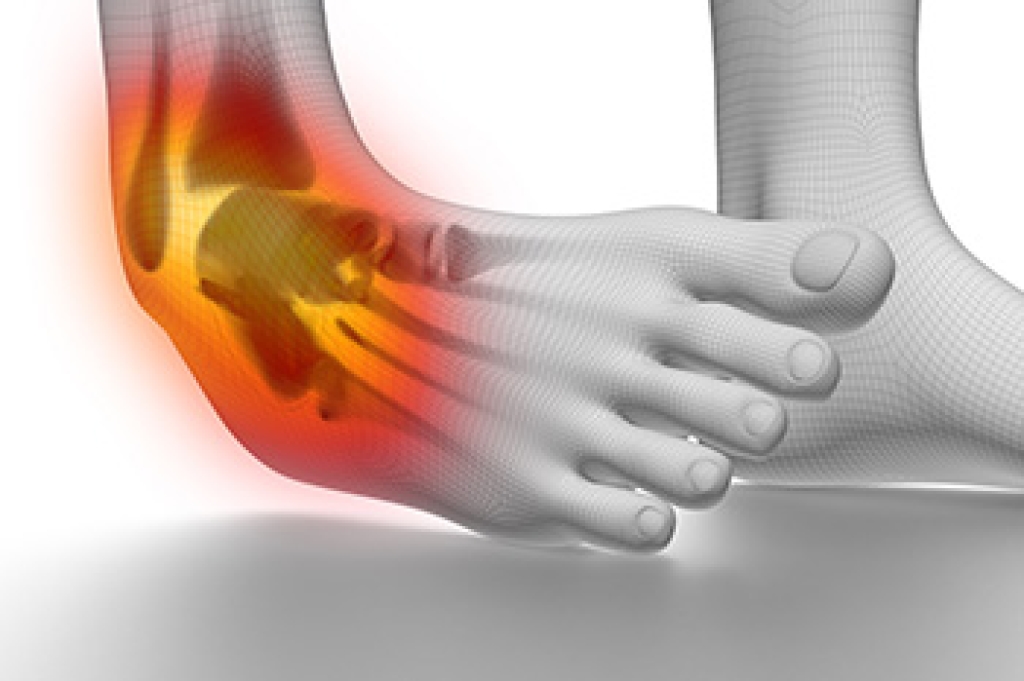
What Causes Ankle Instability?

Ankle instability occurs when the ankle repeatedly feels weak or unsteady during movement. It often develops after an ankle sprain that did not fully heal. Damaged or stretched ligaments may struggle to keep the joint stable. Common symptoms include ankle pain, weakness, and a feeling that the ankle may give way. Some people notice instability when walking on uneven ground, while others experience discomfort after exercise. Repeated episodes can make everyday movement less comfortable.

Several factors can increase the risk of chronic ankle instability. Previous ankle sprains are among the most common causes. Repeated injuries can weaken supporting ligaments and reduce joint stability. Sports involving running, jumping, or quick direction changes can increase ankle stress. Poorly supportive footwear may contribute to instability. Muscle weakness around the ankle can make balance difficult. Certain foot alignment concerns may change weight distribution, and walking on uneven surfaces can also increase risk.

A podiatrist starts by reviewing your symptoms, injury history, and previous treatments. An examination can assess ankle strength, balance, and ligament stability. X-rays may help rule out fractures or other bone problems and additional imaging tests may be recommended when ligament damage is suspected. Treatment focuses on improving stability while reducing pain. A podiatrist may recommend supportive shoes, ankle bracing, or activity changes. Targeted exercises may improve strength and balance.

Ankle instability can interfere with walking, exercise, and confidence. Persistent pain or weakness should not be ignored, especially when your ankle repeatedly gives way. Evaluation can help identify the problem and reduce the risk of injuries. A podiatrist can develop a treatment plan based on your symptoms and ankle condition. Early treatment may help restore stability. If you are experiencing ankle instability, it is suggested that you consult a podiatrist for an accurate diagnosis and appropriate treatment.

Ankle pain can be caused by a number of problems and may be potentially serious. If you have ankle pain, consult with David Krausse, DPM from New Jersey. Our doctor will assess your condition and provide you with quality foot and ankle treatment.

Ankle pain is any condition that causes pain in the ankle. Due to the fact that the ankle consists of tendons, muscles, bones, and ligaments, ankle pain can come from a number of different conditions.

Causes

The most common causes of ankle pain include:

  • Types of arthritis (rheumatoid, osteoarthritis, and gout)
  • Ankle sprains
  • Broken ankles
  • Achilles tendonitis
  • Achilles tendon rupture
  • Stress fractures
  • Bursitis
  • Tarsal tunnel syndrome
  • Plantar fasciitis

Symptoms

Symptoms of ankle injury vary based upon the condition. Pain may include general pain and discomfort, swelling, aching, redness, bruising, burning or stabbing sensations, and/or loss of sensation.

Diagnosis

Due to the wide variety of potential causes of ankle pain, podiatrists will utilize a number of different methods to properly diagnose ankle pain. This can include asking for personal and family medical histories and of any recent injuries. Further diagnosis may include sensation tests, a physical examination, and potentially x-rays or other imaging tests.

Treatment

Just as the range of causes varies widely, so do treatments. Some more common treatments are rest, ice packs, keeping pressure off the foot, orthotics and braces, medication for inflammation and pain, and surgery.

If you have any questions please feel free to contact our office located in Flemington, NJ . We offer the newest diagnostic tools and technology to treat your foot and ankle needs.

Read more about Various Causes of Ankle Pain

Poor Foot Posture and Its Connection to Low Back Pain

Poor foot posture occurs when the feet rest or move in an inefficient position that affects normal alignment and function. This can include excessive inward rolling, limited arch support, or uneven weight distribution. Poor foot function may change how the ankles, knees, and hips move during walking. These changes can affect the way the body absorbs impact. Some people may experience foot fatigue, arch discomfort, or uneven wear on their shoes. Addressing foot alignment may help improve overall movement.

Poor foot posture can also be associated with low back pain because the feet provide the foundation for the body during standing and walking. When foot mechanics change, the legs and pelvis may adjust to maintain balance. These adjustments can place additional stress on muscles and joints throughout the lower body. Risk factors include flat feet, previous foot injuries, and prolonged standing. Repetitive activities may also increase strain when the feet do not function efficiently.


Symptoms can vary depending on the underlying cause. Some people notice tired feet, heel discomfort, or changes in walking patterns. Others may develop discomfort that extends into the knees, hips, or lower back. A podiatrist can evaluate foot posture by examining alignment, walking mechanics, and weight distribution. They may also review footwear and assess the range of motion in the feet and ankles. Imaging tests may be recommended when structural problems are suspected.


Treatment depends on the cause and severity of poor foot function. A podiatrist may recommend wearing supportive footwear, custom orthotics, or targeted changes to daily activities. They may also address an underlying foot condition that is affecting alignment. Improving foot support can help create a more stable foundation for movement. If poor foot posture is affecting your comfort or contributing to low back pain, it is suggested that you consult a podiatrist for effective relief and treatment solutions.

If you have any concerns about your feet, contact David Krausse, DPM from New Jersey. Our doctor can provide the care you need to keep you pain-free and on your feet.

Biomechanics in Podiatry

Podiatric biomechanics is a particular sector of specialty podiatry with licensed practitioners who are trained to diagnose and treat conditions affecting the foot, ankle and lower leg. Biomechanics deals with the forces that act against the body, causing an interference with the biological structures. It focuses on the movement of the ankle, the foot and the forces that interact with them.

A History of Biomechanics

  • Biomechanics dates back to the BC era in Egypt where evidence of professional foot care has been recorded.
  • In 1974, biomechanics gained a higher profile from the studies of Merton Root, who claimed that by changing or controlling the forces between the ankle and the foot, corrections or conditions could be implemented to gain strength and coordination in the area.

Modern technological improvements are based on past theories and therapeutic processes that provide a better understanding of podiatric concepts for biomechanics. Computers can provide accurate information about the forces and patterns of the feet and lower legs.

Understanding biomechanics of the feet can help improve and eliminate pain, stopping further stress to the foot.

If you have any questions please feel free to contact our office located in Flemington, NJ . We offer the newest diagnostic and treatment technologies for all your foot and ankle needs.

Read more about Biomechanics in Podiatry
scroll to top